All categories
 LOTOS PREMIUM
 Stars of the month
 Dr AD Smart
 Cardiovascular health
 Nervous system and sleep
 Liver health
 Respiratory health
 Immunity
 Vitamins
 Joint health
 For brain function and focus
 Minerals
 For vitality and beauty
 For hormonal balance
 For the intestinal tract and digestion
 For urinary tract health
Showing all 5 resultsSorted by popularity
Healthy gut microflora
The well-being of the gut and digestive tract plays an important role in maintaining good health. The microflora present in the digestive tract has been shown to be an important component of the immune system. The more efficient the gut is, the more likely we are to contract diseases that we ingest unnoticed.
In stock

In stock
In stock
In stock
Signs of a disturbed gut microflora:
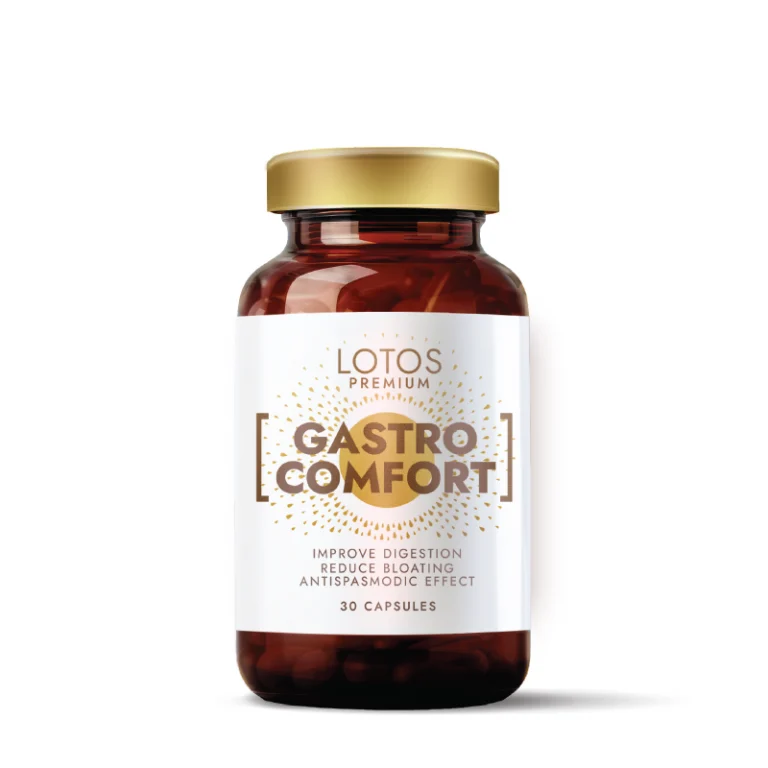
Restoring gut microflora depends largely on lifestyle and dietary habits. However, if any deficiencies are found, they can be addressed in the short term with the dietary supplements listed below.
Medicines to improve digestion are not the only solution, there are also various alternative solutions available, such as food supplements. It is more important to be mindful of what we eat on a daily basis, so that the gut microflora is restored naturally.
A fully functioning digestive system is one of the foundations of our well-being. If there are problems with the passage of the stomach, bloating causes discomfort and can lead to various conditions such as irritable bowel syndrome.
If the digestive problems are persistent, you should consult your GP, who will refer you to a gastroenterologist for further tests. If weight problems are an issue, a dietician should be consulted who will draw up a proper diet plan and provide advice.
LOTOS PREMIUMStars of the monthDr AD SmartCardiovascular healthNervous system and sleepLiver healthRespiratory healthImmunityVitaminsJoint healthFor brain function and focusMineralsFor vitality and beautyFor hormonal balanceFor the intestinal tract and digestionFor urinary tract healthNo account yet?
Create an Account