












Support for Sleep and the Nervous System

A sleep-deprived person struggles to concentrate at work, experiences mood swings, and suffers mentally. In the long term, insomnia can even lead to serious health issues. This problem can be addressed through dietary supplements and medication, as well as changes in daily habits.

If you’re feeling increased stress in your everyday life, calming products that support the nervous system can help. The most common causes of insomnia are twofold: a lack of melatonin and stress accumulated during the day.

Buy 1, get 1 free

Magnesium Quick Absorption N90 magnesium

In stock

19,99 
Buy 1, get 1 free

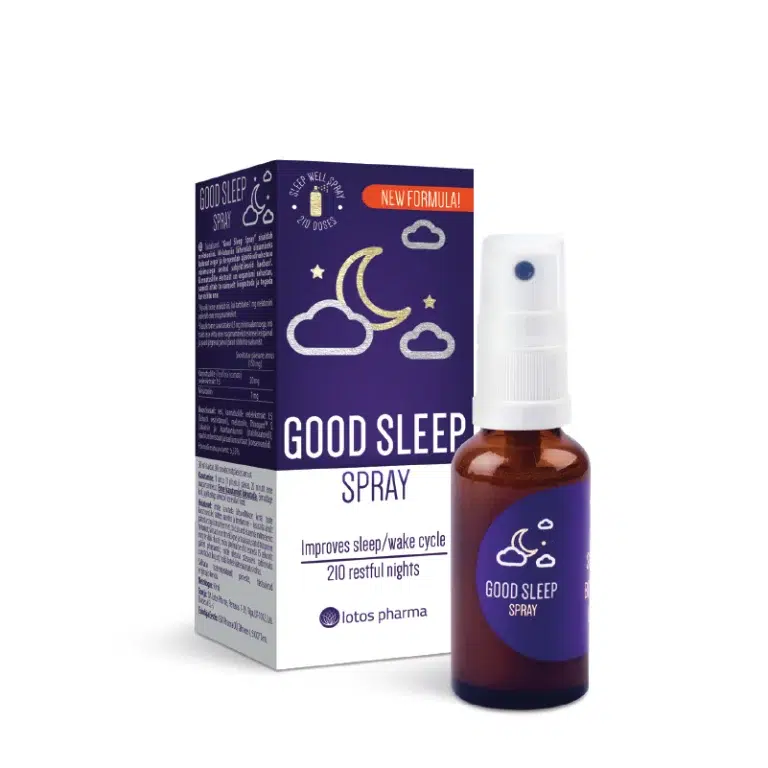
Good Sleep Spray, 30ml

In stock

13,26 

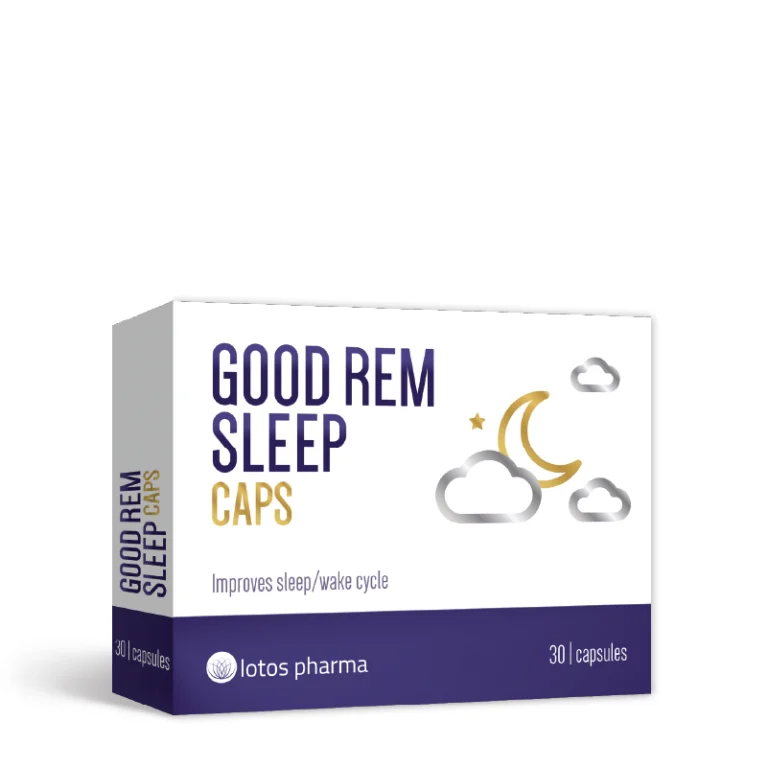
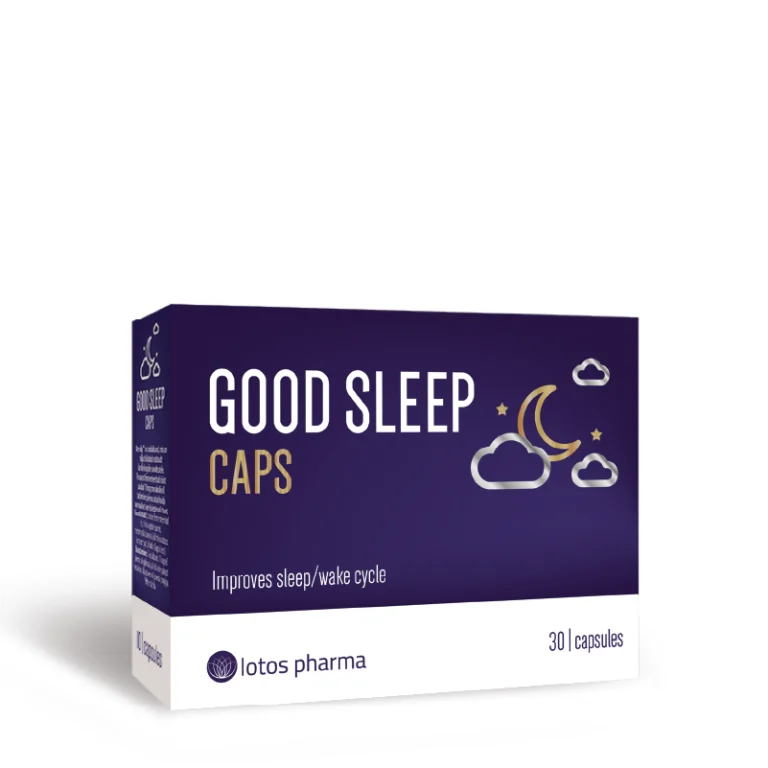
Good Sleep Caps, 30 capsules

In stock

Original price was: 9,74 €.Current price is: 5,84 €.

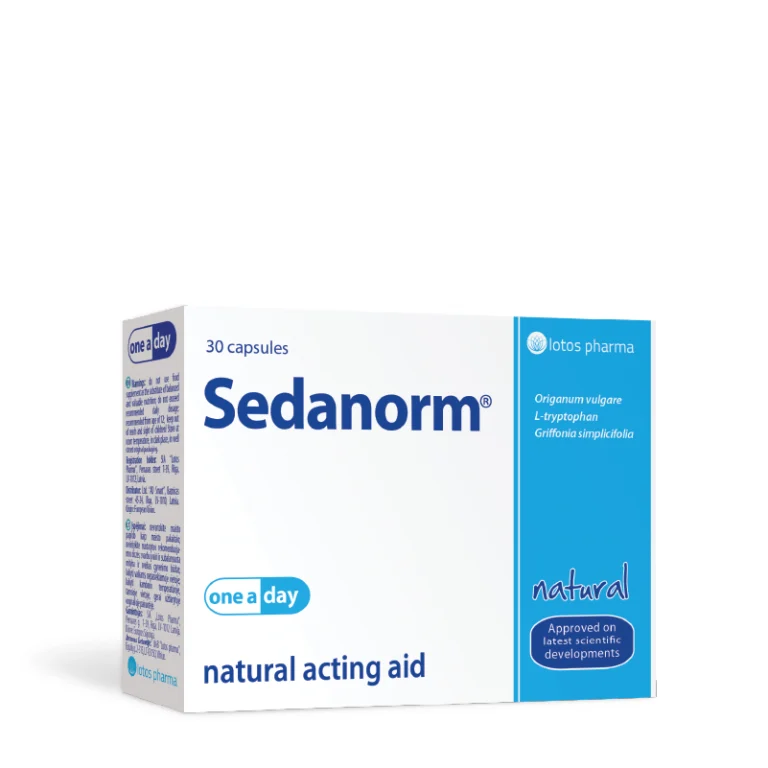
Sedanorm, 30 capsules

In stock

Original price was: 10,48 €.Current price is: 6,29 €.

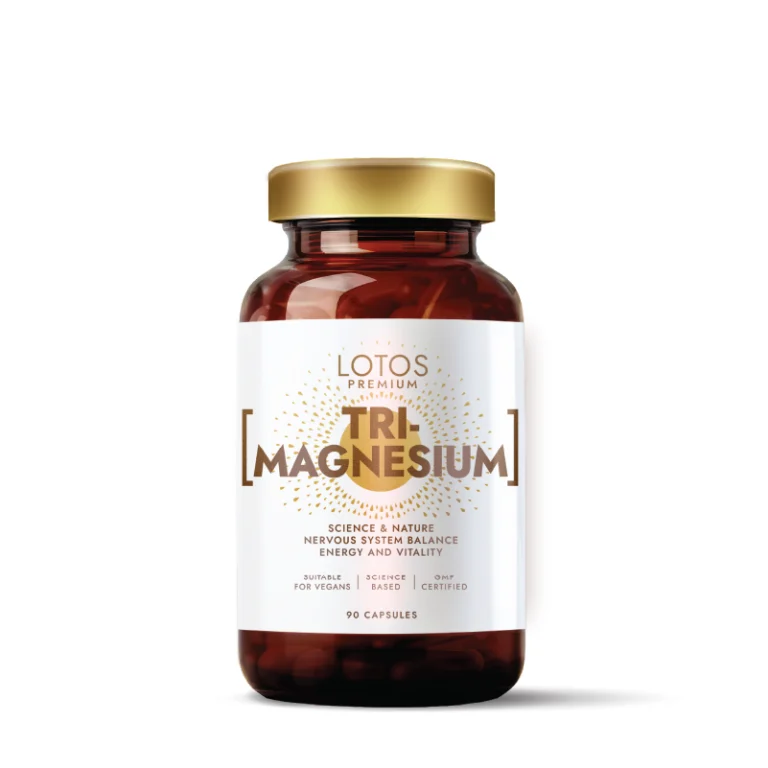
Tri-Magnesium N90 magnesium

In stock

Original price was: 19,99 €.Current price is: 11,99 €.
Buy 1, get 1 free

Dr.AD Smart B – Complex N60

In stock

9,99 

Ashwagandha KSM-66 N90

In stock

Original price was: 19,99 €.Current price is: 11,99 €.

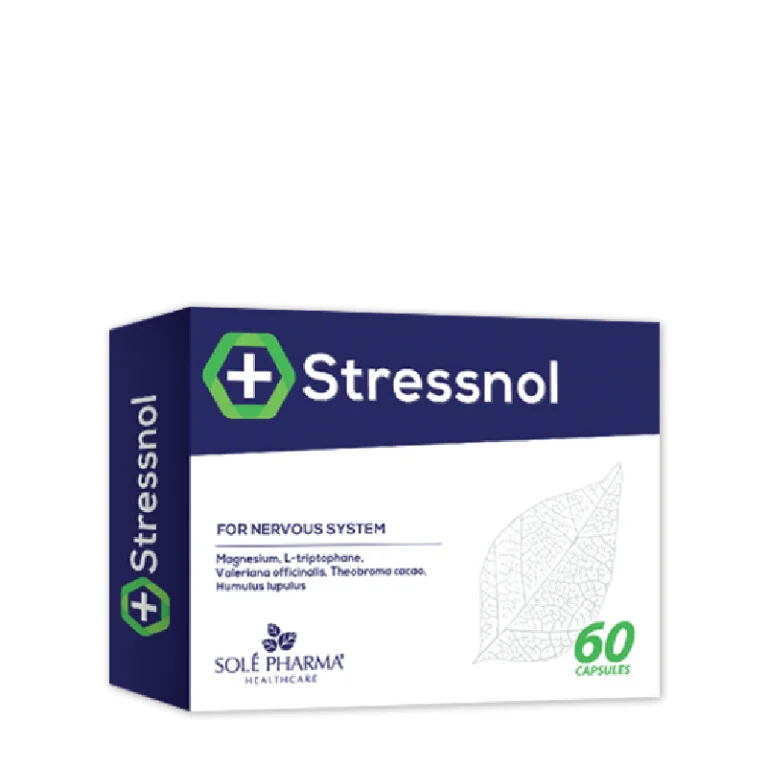
Stressnol, 60 capsules

In stock

Original price was: 8,93 €.Current price is: 5,36 €.

Tryptophan Forte N90

In stock

Original price was: 19,99 €.Current price is: 11,99 €.

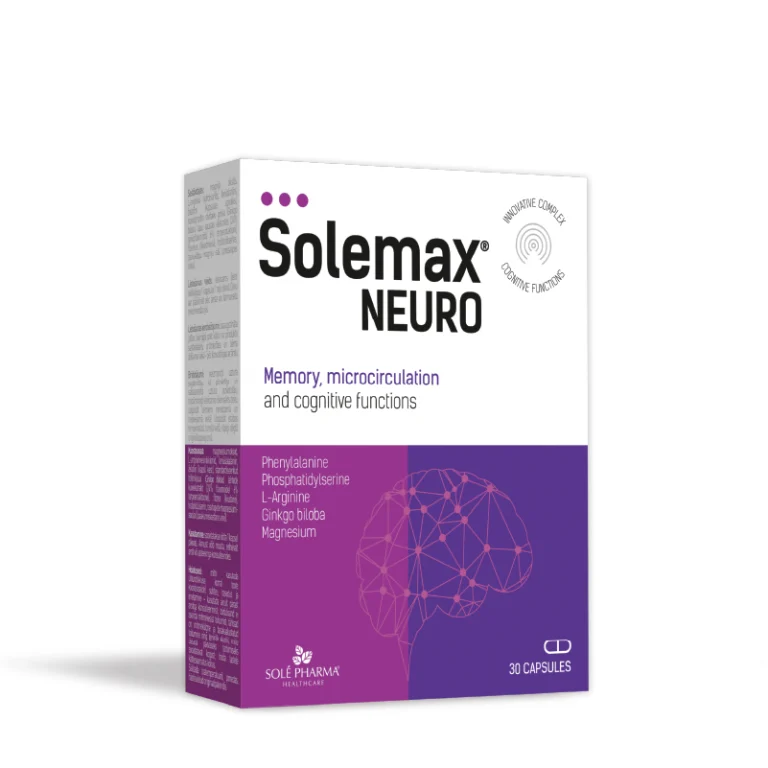
Solemax® Neuro, 30 capsules

In stock

Original price was: 10,63 €.Current price is: 6,38 €.
Buy 1, get 1 free

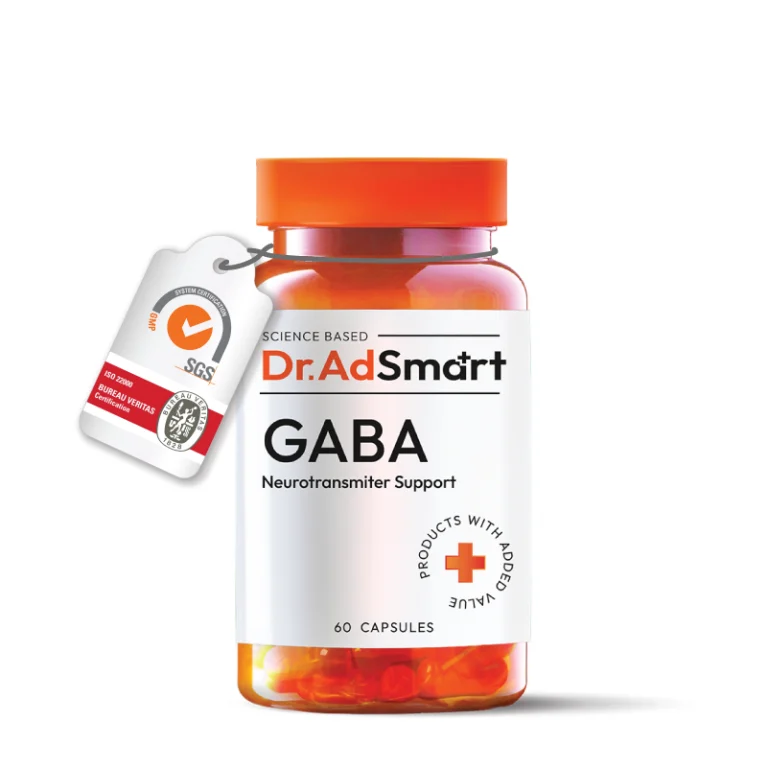
Dr.AD Smart GABA N60

In stock

9,99 

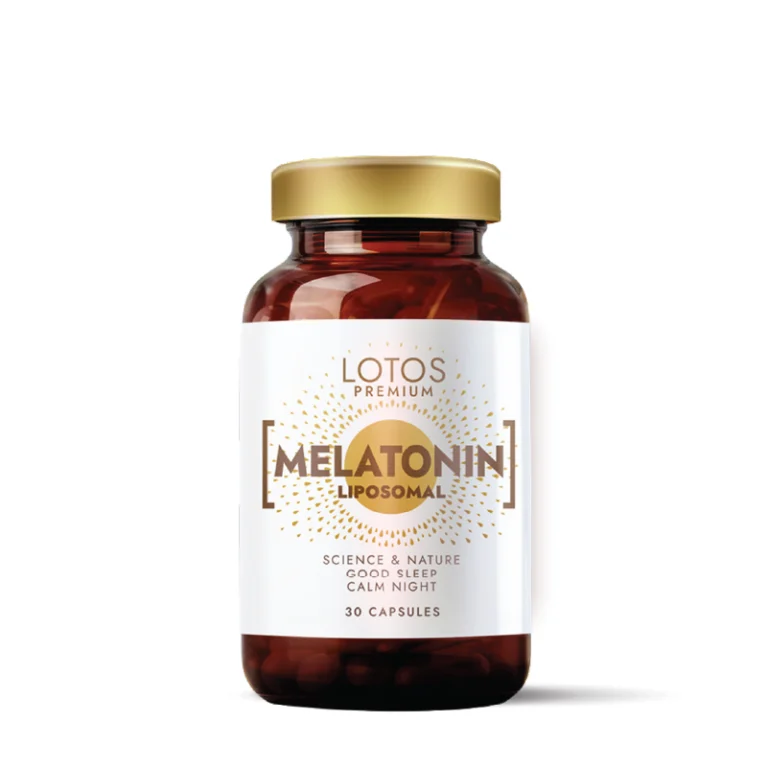
LOTOS PREMIUM Liposomal Melatonin N30

In stock

Original price was: 12,99 €.Current price is: 7,79 €.

Dietary Supplements for Sleep and the Nervous System

The three most common symptoms of insomnia that may indicate long-term sleep disturbances—and the need for dietary supplements or lifestyle changes—are difficulty falling asleep, frequent nighttime awakenings, and waking up too early in the morning. So, what can help reduce and eliminate these symptoms?

  • Melatonin. This natural sleep hormone helps you fall asleep faster, supports sleep throughout the night, and prevents early waking. It’s important to remember that melatonin production in the body decreases with age. If you need help with sleep and nervous system support, look for this hormone in the ingredients of sleep supplements. Melatonin is available in tablets, capsules, drops, and sprays. Several over-the-counter sleep aids also contain melatonin.

  • Passionflower leaf extract. It reduces chronic stress and supports healthy sleep. That’s why it’s often recommended during periods of high anxiety. It is commonly found in various dietary supplements.

  • Griffonia seed extract. This extract is rich in 5-HTP (5-hydroxytryptophan). Scientific literature shows that L-tryptophan and 5-HTP are precursors for the synthesis of serotonin—the “happiness hormone.” These substances are also recommended for use in cases of depression.

  • Magnesium. A lack of magnesium can be one of the causes of insomnia. For people experiencing sleep problems, it’s advisable to include magnesium in their diet, as it helps reduce stress and calm the nervous system.

  • Other substances that positively affect sleep and the nervous system include valerian root, hops, and oregano.

It is not recommended to use various sleep and nervous system supplements for long periods. If the problem persists, be sure to consult your family doctor to explore further solutions together.

Lifestyle Changes

  • Reduce stress. This can be done by redirecting your focus from stressful thoughts or tasks and replacing them—when possible—with something calming and peaceful.

  • Relaxation. Before bed, take time to relax, unwind your muscles, and quiet your mind. A low mood not only affects your ability to fall asleep but also makes daily tasks more difficult to manage.

  • Stay active. Physical activity is essential not only for sleep and nervous system health but also for general well-being. Regular walks, for example, can help calm the mind, organize thoughts, and support better sleep.

  • Plan. Analyze your sleep habits to understand how many hours of rest leave you feeling refreshed. Knowing this helps you adjust your routine. Planning daily tasks can also bring a sense of control and contribute to feeling more at ease in the evening.

  • Seek medical help if needed. If dietary supplements or over-the-counter sleep aids don’t have the desired effect, or if sleep and nervous system issues are long-term and clearly affect your mental function—especially if you notice signs of depression, anxiety, or vegetative dystonia—you should consult a family doctor, neurologist, or visit a healthcare center.